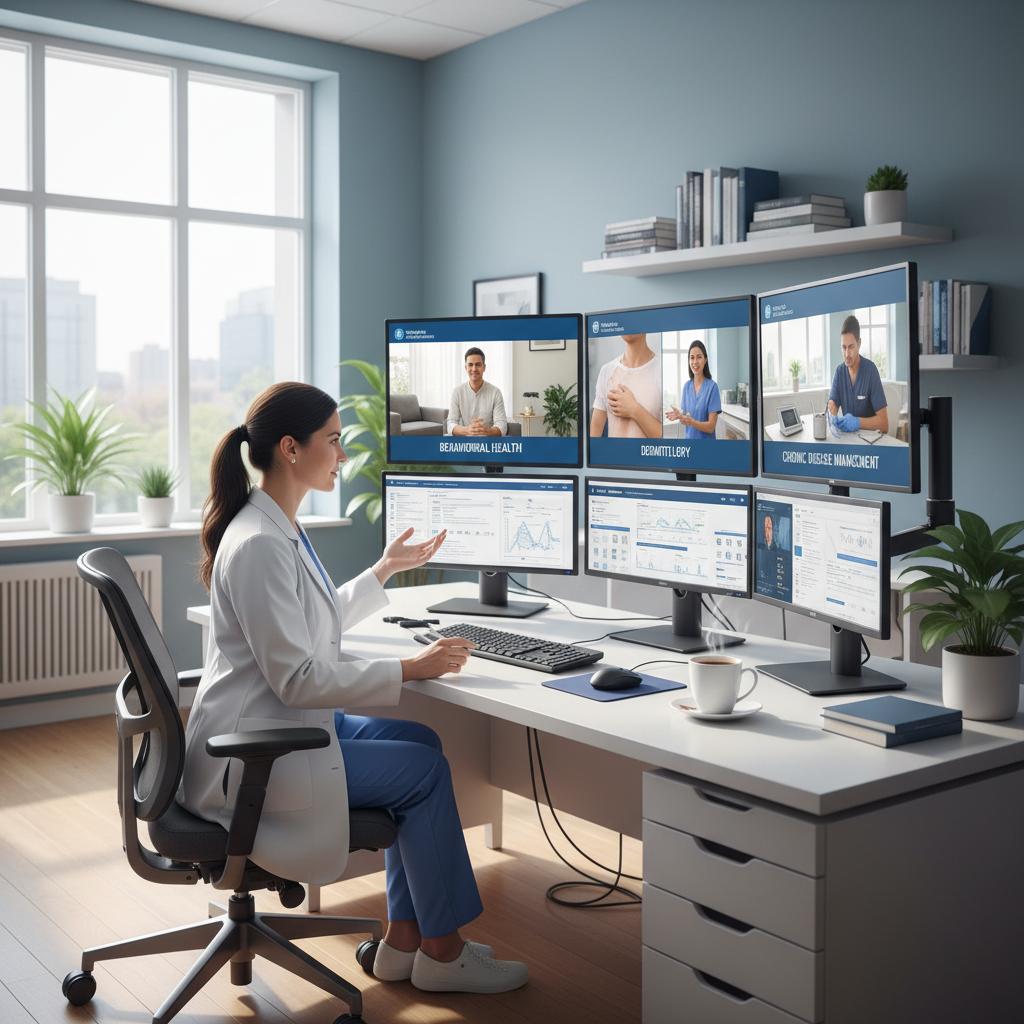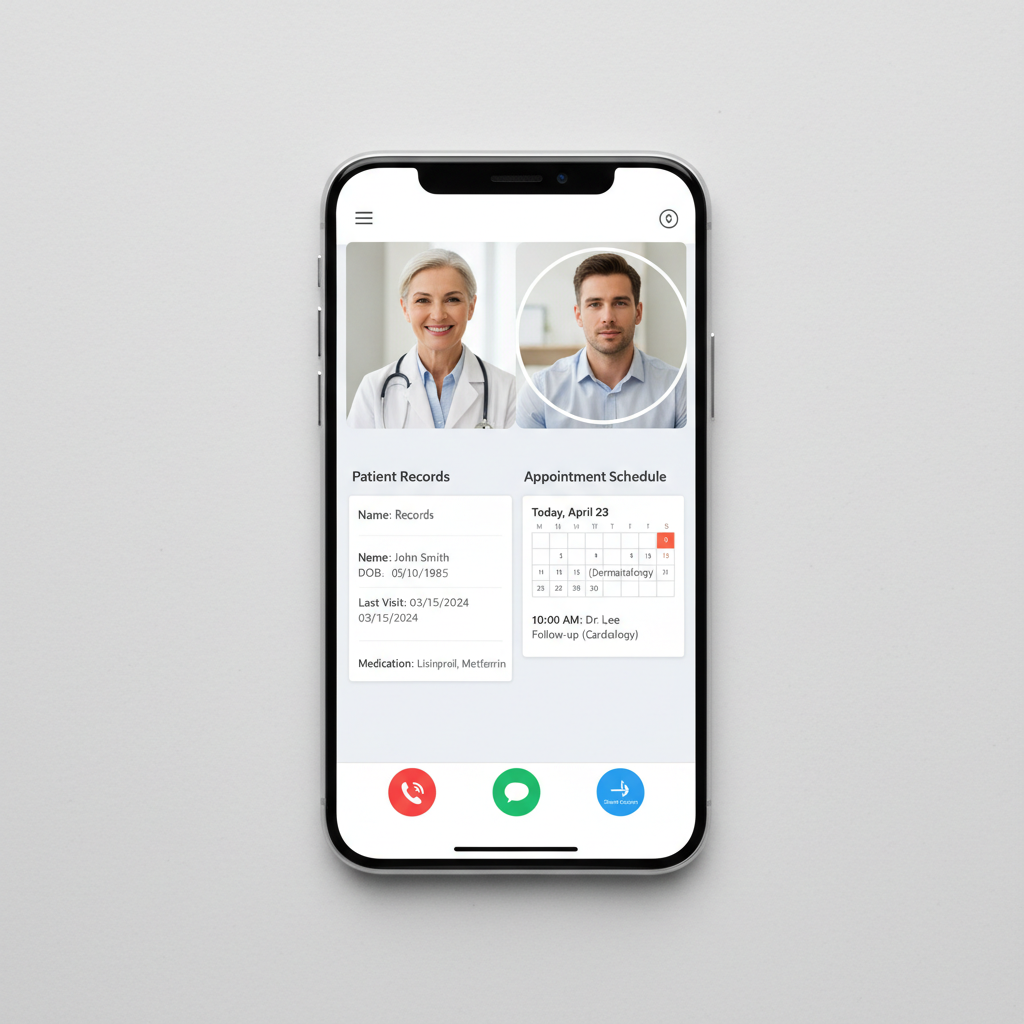
A telehealth visit is a 15–30 minute window into a patient's health. What happens in the other 23+ hours of the day — whether the patient takes their medications, monitors their symptoms, and follows their care plan — determines whether that visit actually improves their health. Between-visit engagement is the infrastructure that connects telehealth visits into a continuous care relationship.
The Between-Visit Gap in Telehealth
Most telehealth programs focus on the visit itself — the video platform, the documentation, the billing. But the clinical value of telehealth is determined by what happens between visits. A diabetic patient who doesn't monitor their blood glucose between telehealth appointments, a hypertensive patient who stops taking their medication, or a post-surgical patient who doesn't report a wound complication — these are the gaps that between-visit engagement tools address.
Automated Between-Visit Check-Ins
Automated check-ins send brief, structured surveys to patients between telehealth visits — asking about symptom status, medication adherence, and any concerns since the last appointment. These check-ins take less than 2 minutes for the patient to complete and provide the care team with a continuous stream of patient-reported data that informs clinical decisions at the next visit.
- Condition-specific symptom surveys — tailored to the patient's diagnosis and care plan
- Medication adherence check-ins — confirming patients are taking medications as prescribed
- Vital sign prompts — reminding patients to record blood pressure, blood glucose, or weight
- Care plan adherence questions — checking on diet, exercise, and lifestyle modifications
- Open-ended concern capture — allowing patients to flag issues that don't fit structured questions
- Automatic EHR documentation of all patient-reported data
Escalation Protocols for Deteriorating Patients
The most clinically valuable feature of between-visit engagement is the escalation protocol — when a patient's symptom scores indicate deterioration, the system automatically alerts the care team for proactive outreach. This early warning system catches clinical deterioration before it becomes an emergency, reducing the hospitalizations and emergency visits that occur when chronic conditions go unmonitored.
Healthcare practices that implement between-visit symptom monitoring with automated escalation protocols report a 38% reduction in 30-day readmissions — because deteriorating patients are identified and contacted before their condition requires emergency intervention.
Building Patient Relationships Through Consistent Engagement
Between-visit engagement does more than improve clinical outcomes — it builds the patient relationship. Patients who receive consistent, personalized communication from their care team between visits feel more connected to their provider and more committed to their care plan. This relationship is the foundation of long-term retention: patients who feel engaged and supported are significantly less likely to switch providers or disengage from care.
Frequently Asked Questions
How do patients receive between-visit check-ins?
Can between-visit engagement tools integrate with remote patient monitoring devices?
How does between-visit engagement affect telehealth billing?
Ready to Implement These Strategies?
Our healthcare marketing specialists handle everything — from technical SEO to content creation to review management. No long-term contracts.
Get a Free Consultation