The most underutilized revenue source in most healthcare practices is sitting in the EHR. Patients who haven't been seen in 12, 18, or 24 months. Patients overdue for annual wellness exams. Diabetic patients who missed their last HbA1c check. Hypertensive patients who haven't had a blood pressure follow-up. These patients have an established relationship with your practice — they just need a reminder to come back.
What Patient Recall Campaigns Target
Automated recall campaigns use your EHR data to identify patients who are overdue for specific types of care — and send personalized outreach that explains why they should schedule an appointment now. The specificity of the message is what makes recall campaigns effective: a patient who receives a message saying "You're due for your annual diabetes check — your last HbA1c was 14 months ago" is far more likely to respond than a generic "We miss you" message.
- Annual wellness and preventive care — patients overdue for annual exams, screenings, or immunizations
- Chronic disease management — diabetic, hypertensive, and other chronic patients overdue for monitoring visits
- Post-procedure follow-up — patients who had a procedure but haven't returned for the recommended follow-up
- Specialist referral completion — patients referred to a specialist who haven't yet scheduled
- Pediatric well-child visits — children overdue for age-appropriate wellness visits
- Dental and vision recall — patients overdue for routine dental cleanings or eye exams
How Automated Recall Campaigns Work
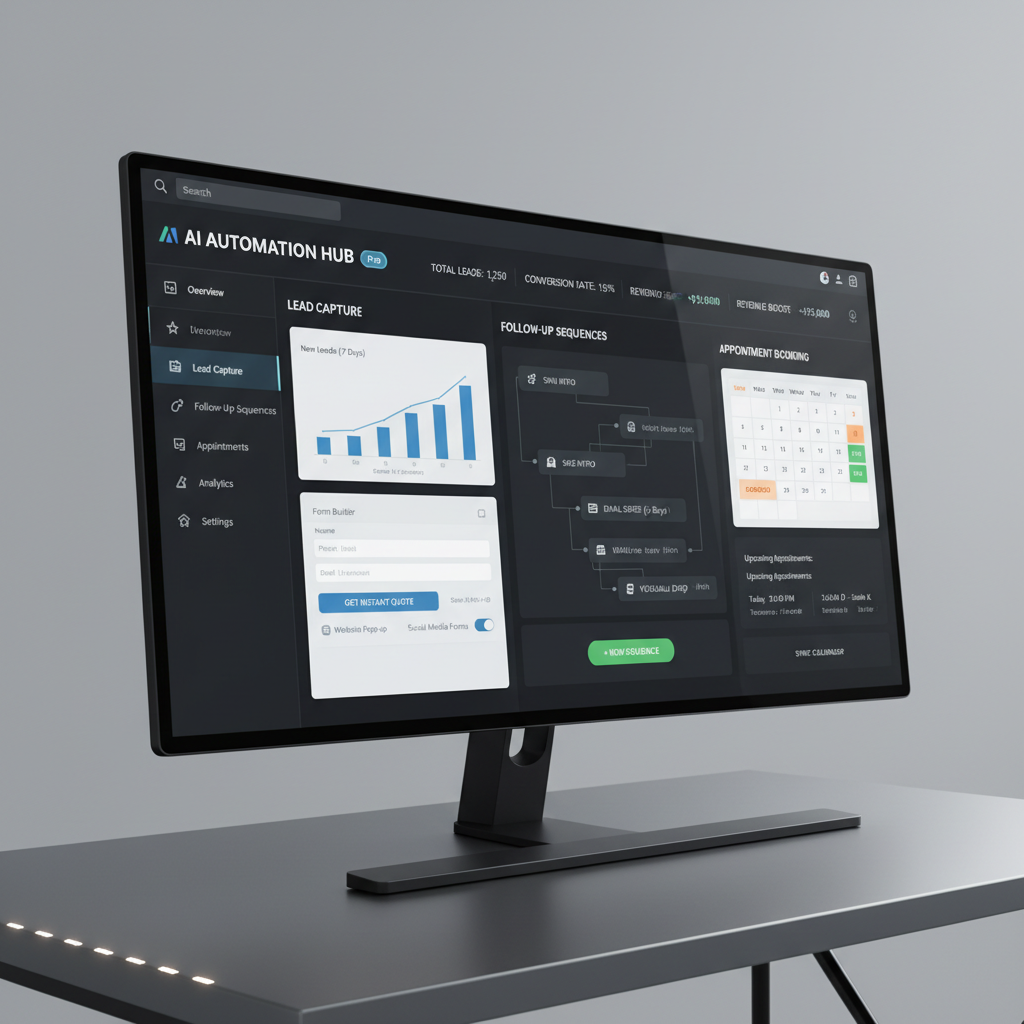
NYC Healthcare Marketing's recall system queries your EHR daily to identify patients who have crossed a care gap threshold — defined by your clinical team for each recall type. When a patient is identified, the system sends a personalized outreach message via their preferred channel (SMS, email, or voice) with a direct link to schedule the appropriate appointment type.
- Daily EHR query to identify newly overdue patients
- Personalized message referencing the specific care gap and last visit date
- Direct scheduling link for the appropriate appointment type
- Follow-up message if no response within 7 days
- Escalation to voice call if SMS and email go unanswered
- Automatic removal from recall list when appointment is booked
Recall Campaigns for Chronic Disease Management
For practices managing chronic disease populations — diabetes, hypertension, COPD, heart failure — recall campaigns are not just a revenue tool, they're a clinical quality tool. Patients who miss monitoring visits are at higher risk for complications, hospitalizations, and adverse events. Automated recall ensures these high-risk patients receive consistent outreach, improving both clinical outcomes and quality metrics that affect value-based care reimbursement.
Healthcare practices that implement automated recall campaigns for chronic disease patients see measurable improvements in HbA1c control, blood pressure management, and other quality metrics — because consistent follow-up is the most effective intervention for chronic disease management.
Measuring Recall Campaign Performance
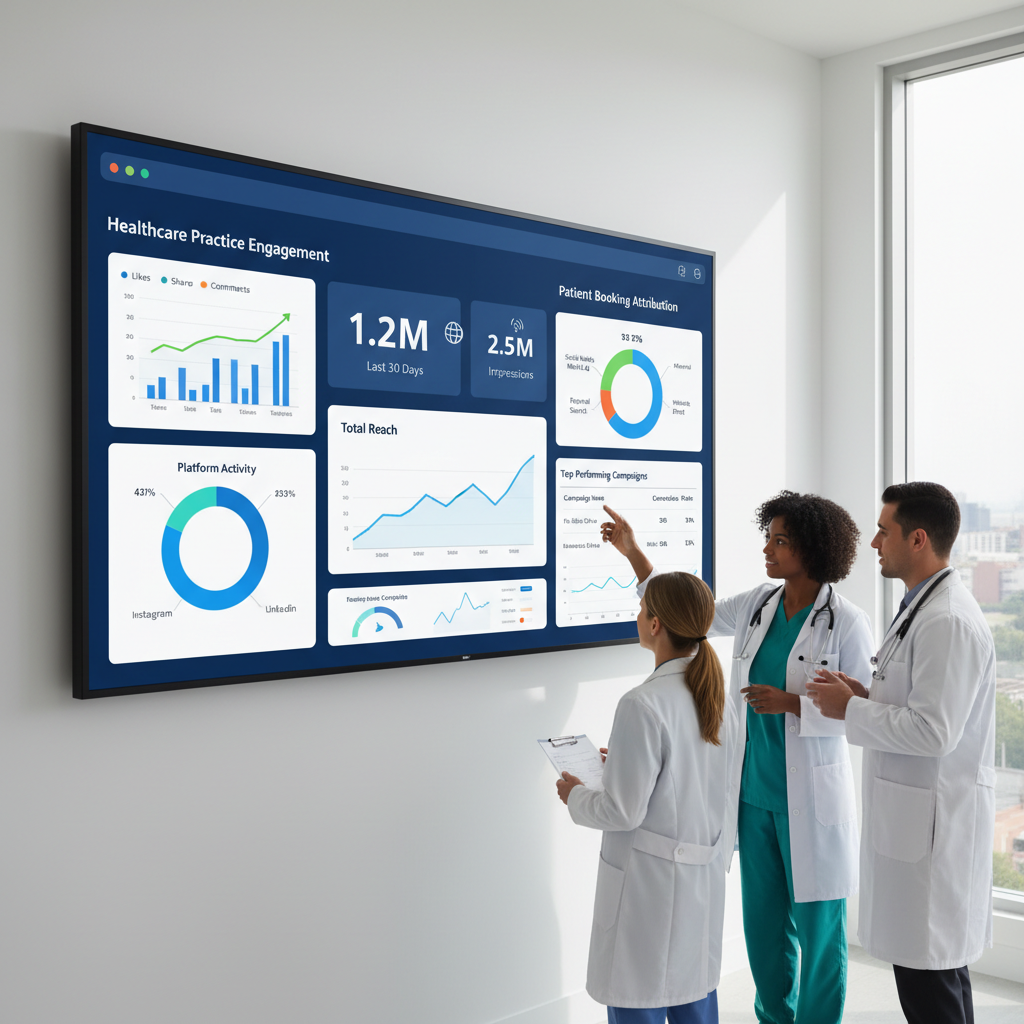
NYC Healthcare Marketing provides monthly recall campaign performance reports showing response rates by campaign type, appointment booking rates, revenue generated per campaign, and the care gap closure rate for each patient segment. This data allows your clinical and administrative teams to refine recall criteria, adjust messaging, and prioritize the highest-value patient segments.
Frequently Asked Questions
How does the recall system know which patients are overdue for care?
Can recall campaigns be sent on behalf of a specific provider?
How do we prevent recall campaigns from feeling intrusive to patients?
Ready to Implement These Strategies?
Our healthcare marketing specialists handle everything — from technical SEO to content creation to review management. No long-term contracts.
Get a Free Consultation