Patient Intake & Registration

Real-Time Insurance Eligibility Verification at Intake: How to Eliminate Billing Surprises Before the Visit

⚡ TL;DRQuick summary
  • Integrating real-time insurance eligibility verification into the patient intake workflow catches coverage gaps, lapsed policies, and benefit limitations before the visit — eliminating the billing surprises that damage patient relationships and create collection headaches.
  • Automated eligibility checks run 48–72 hours before every appointment and again at check-in, giving your front desk time to contact patients about coverage issues before they arrive at the office.
  • Practices that verify eligibility at intake report 35% fewer claim denials from eligibility-related errors and a measurable improvement in patient satisfaction scores around billing transparency.

Features & Benefits

Automated eligibility checks 48–72 hours before every appointment
Real-time verification at check-in for same-day and walk-in patients
Coverage gap alerts sent to front desk before patient arrives
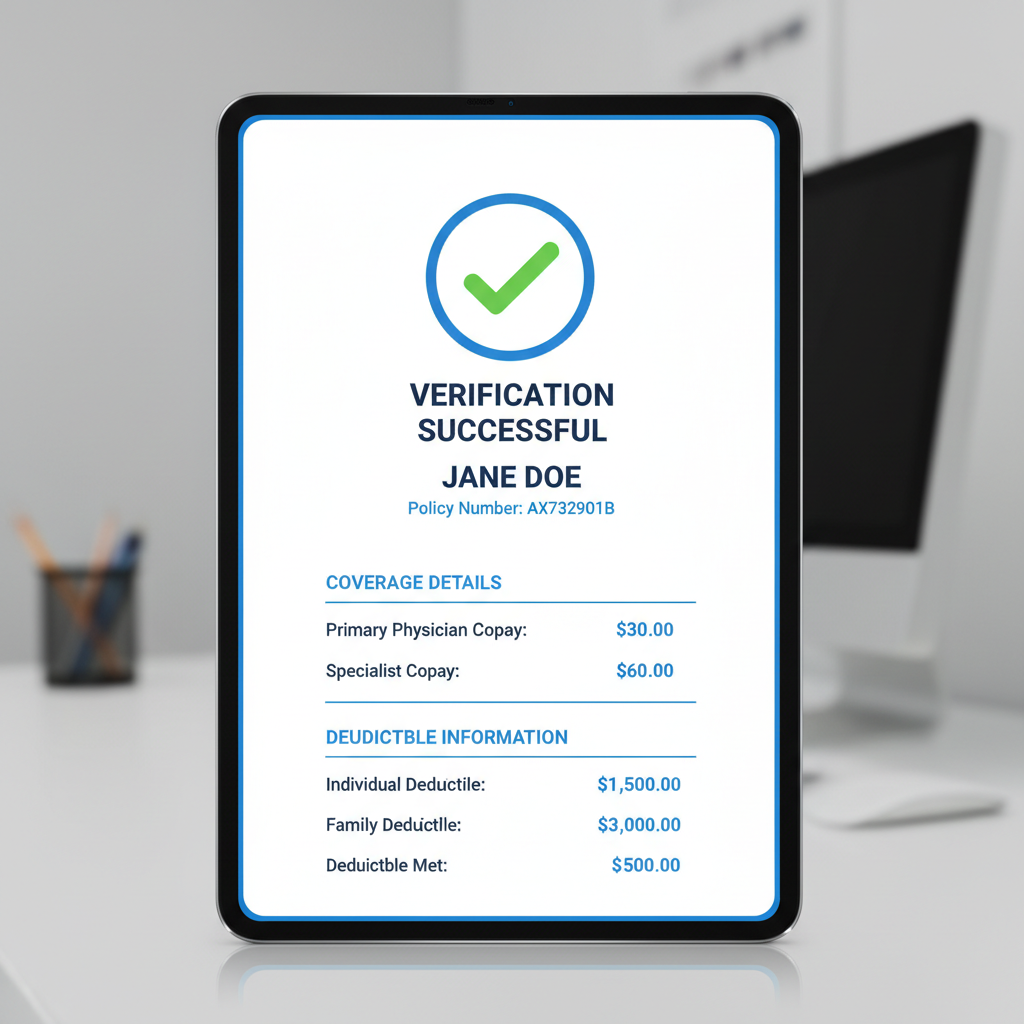
Benefit detail display: copay, deductible, coinsurance, and out-of-pocket maximum
Patient notification of coverage issues with payment options
35% fewer claim denials from eligibility-related errors
Improved patient satisfaction through billing transparency
Reduced collection costs from proactive coverage communication

Insurance surprises at checkout are one of the top drivers of patient dissatisfaction and billing disputes. Learn how integrating real-time eligibility verification into your intake workflow eliminates coverage gaps before the patient arrives.

nychealthcare.marketing TeamSeptember 3, 20268 min read
Patient intake dashboard showing real-time insurance eligibility verification results with coverage details and benefit information
Patient IntakeInsurance EligibilityMedical BillingRevenue CyclePatient Registration

Nothing damages the patient-practice relationship faster than a billing surprise. A patient who arrives believing their visit is covered by insurance, only to discover at checkout that their deductible hasn't been met or their plan doesn't cover the service, leaves frustrated — and often disputes the bill. The solution is not better billing communication after the fact. It's catching coverage issues before the patient walks through the door.

Why Eligibility Verification Must Happen at Intake, Not at Billing

Traditional eligibility verification happens at the billing stage — after the visit has already occurred. By that point, it's too late to have a productive conversation with the patient about their coverage. The visit is done, the service has been rendered, and the patient is now receiving an unexpected bill. Moving eligibility verification to the intake workflow — running checks 48–72 hours before the appointment — gives your team time to contact the patient, explain their coverage, and collect any expected patient responsibility before the visit.

35%
fewer claim denials from eligibility-related errors
48–72 hrs
before appointment: when automated eligibility checks run
89%
of billing disputes involve information the patient didn't have at intake
3x
higher collection rate when patient responsibility is discussed at intake

What Automated Eligibility Verification Checks

  • Active coverage status — confirming the patient's insurance policy is active and in force on the date of service
  • In-network vs. out-of-network status — verifying whether your practice is in-network for the patient's specific plan
  • Deductible status — current deductible amount, amount met year-to-date, and remaining balance
  • Copay and coinsurance — the specific patient responsibility for the visit type being scheduled
  • Out-of-pocket maximum — current status and remaining balance for the plan year
  • Prior authorization requirements — whether the scheduled service requires pre-authorization before the visit

Communicating Coverage Information to Patients at Intake

Automated eligibility verification is only valuable if the information reaches the patient before the visit. NYC Healthcare Marketing's intake system includes automated patient communication workflows that deliver coverage summaries to patients via text or email after eligibility verification runs — giving patients a clear picture of their expected out-of-pocket costs before they arrive. For patients with coverage gaps or high patient responsibility, the system triggers a front desk alert for proactive outreach.

Practices that communicate patient responsibility at intake collect 3x more patient payments at the time of service compared to practices that send bills after the visit — dramatically reducing accounts receivable aging and collection costs.

Integrating Eligibility Verification With Your EHR and Billing System

NYC Healthcare Marketing integrates automated eligibility verification directly with your EHR and practice management system — so verification results populate automatically in the patient record, front desk alerts appear in the scheduling workflow, and patient responsibility estimates are available at check-in. No separate login, no manual data transfer, no duplicate entry.

Frequently Asked Questions

How accurate is automated insurance eligibility verification?
Automated eligibility verification through clearinghouse connections is highly accurate — typically 95–98% for active commercial insurance plans. The remaining 2–5% of discrepancies are usually due to recent plan changes that haven't propagated through the payer's eligibility system yet. NYC Healthcare Marketing's system flags low-confidence verifications for manual follow-up, ensuring your team reviews any uncertain results before the patient arrives.
What happens when a patient's insurance has lapsed or changed?
When automated verification identifies a lapsed or changed insurance policy, the system immediately alerts the front desk and triggers a patient outreach workflow — sending the patient a message asking them to update their insurance information before the appointment. If the patient doesn't respond within 24 hours, the front desk receives an escalation alert to call the patient directly. This ensures coverage issues are resolved before the visit, not after.
Can eligibility verification integrate with our existing scheduling system?
Yes. NYC Healthcare Marketing's eligibility verification system integrates with all major practice management and scheduling platforms — including Athenahealth, eClinicalWorks, Kareo, Nextech, and others. Verification runs automatically when an appointment is scheduled and again 48–72 hours before the visit, with results populating directly in the patient's scheduling record.

Ready to Implement These Strategies?

Our healthcare marketing specialists handle everything — from technical SEO to content creation to review management. No long-term contracts.

Get a Free Consultation