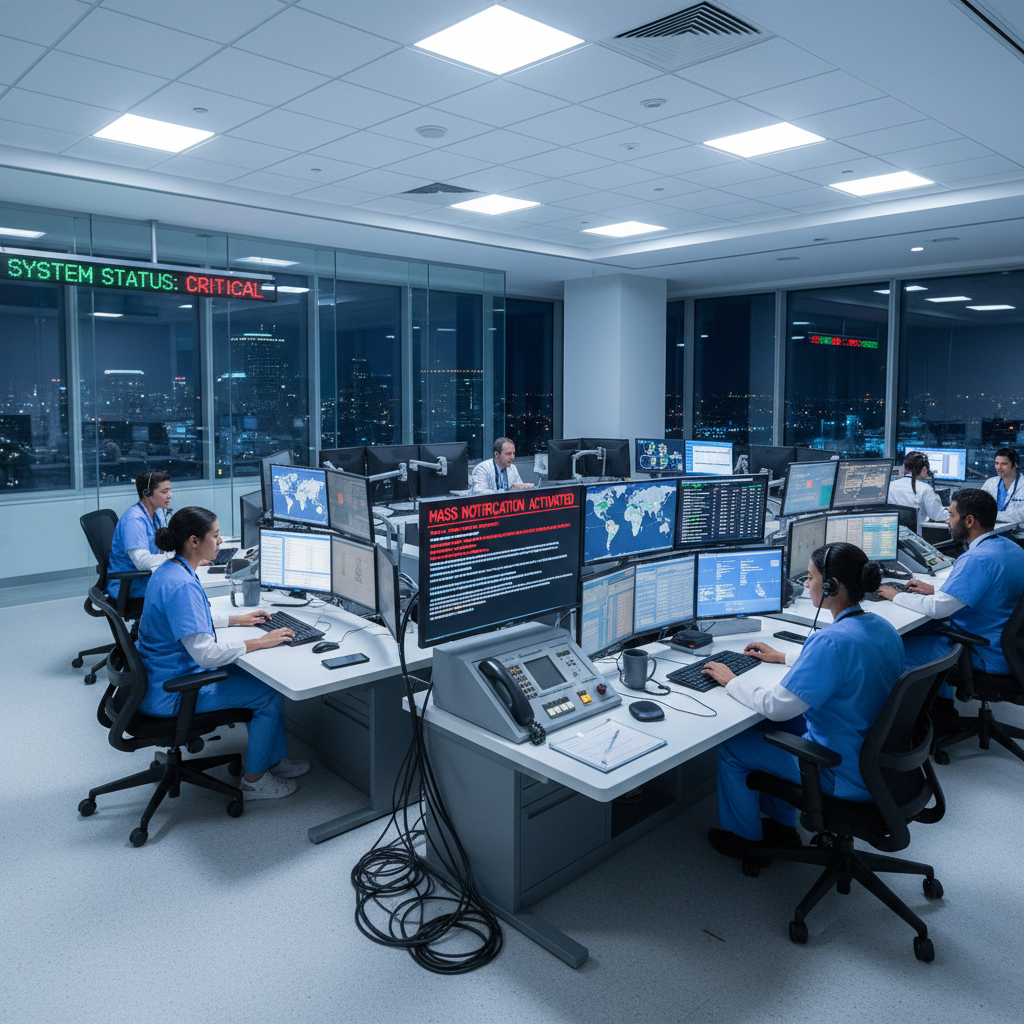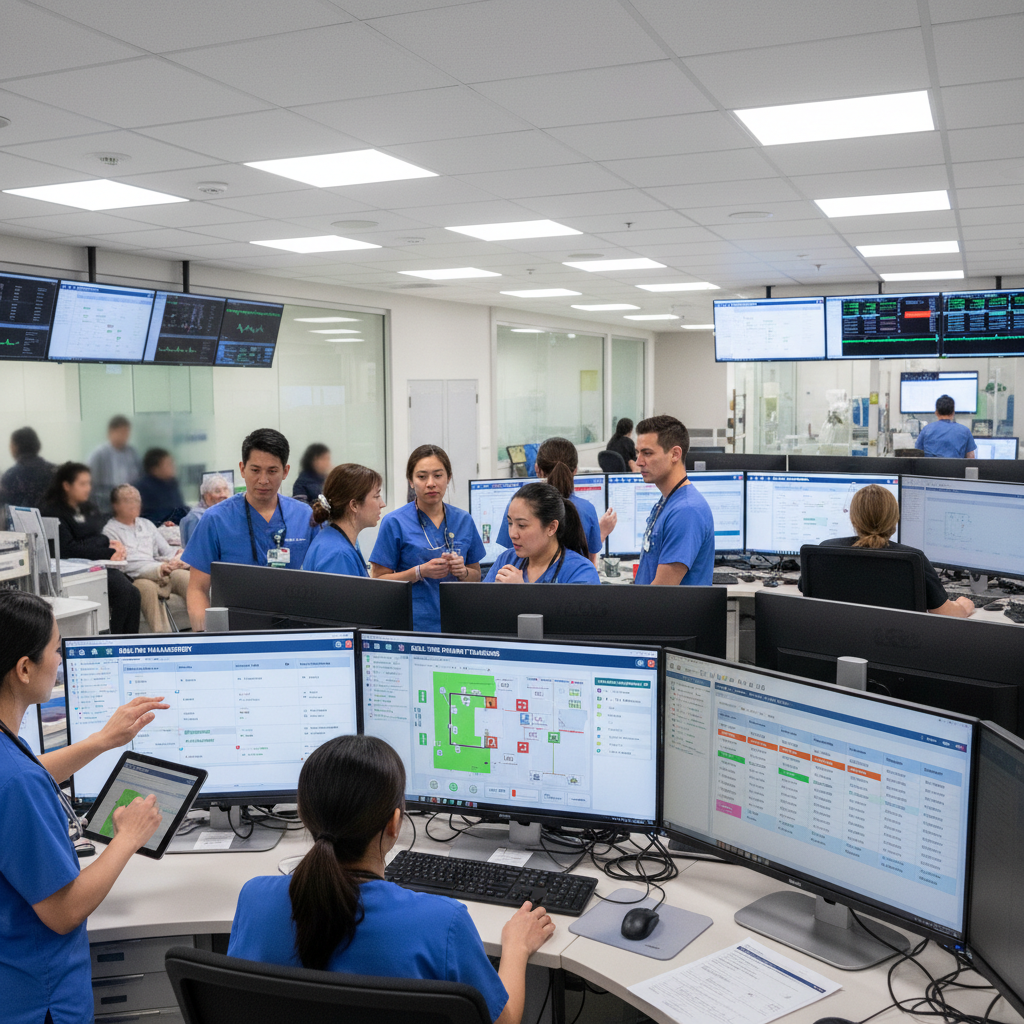
When a cardiac arrest occurs in a waiting room, a fire alarm activates in a patient care area, or a violent incident unfolds in the emergency department, the quality of the response depends entirely on the people operating the dispatch system. Technology can provide the tools — real-time EHR data, automated notifications, digital triage protocols — but the staff must know how to use those tools under extreme pressure, in seconds, without hesitation. That's what emergency dispatch training delivers.
Why Most Healthcare Facilities Are Undertrained for Emergency Dispatch
Most healthcare facilities conduct annual emergency drills that satisfy regulatory requirements but don't build the muscle memory and decision-making confidence that real emergencies demand. A drill that happens once a year, with advance notice, in a low-pressure environment, does not prepare staff for the cognitive load of a real emergency. Effective training requires frequent, realistic, unannounced simulation exercises that force staff to apply protocols under conditions that approximate real events.
The Five Components of Effective Emergency Dispatch Training
- 1Protocol knowledge — staff must know the specific response protocol for every emergency scenario their facility may face: cardiac arrest, fire, active threat, patient elopement, hazardous material exposure, and mass casualty events
- 2EHR and dispatch system proficiency — staff must be able to operate the dispatch technology under pressure, including accessing patient records, triggering mass notifications, and documenting incident details in real time
- 3Communication scripts — clear, scripted communication reduces errors during high-stress incidents by giving staff the exact words to use when notifying providers, patients, families, and external agencies
- 4Escalation decision trees — staff must know exactly when and how to escalate an incident to the next level of response, including when to call 911, when to activate the facility's incident command system, and when to initiate patient evacuation
- 5Post-incident documentation — accurate, timely documentation of every emergency incident is required for regulatory compliance, quality improvement, and liability protection
Simulation-Based Training: The Most Effective Method
NYC Healthcare Marketing's emergency dispatch training program uses simulation-based exercises that replicate real emergency scenarios in your actual facility environment, using your actual EHR and dispatch systems. Simulations are conducted without advance notice to staff, creating the cognitive conditions of a real emergency. After each simulation, NYC Healthcare Marketing facilitates a structured debrief that identifies performance gaps and reinforces correct protocol execution.
Healthcare facilities that conduct quarterly simulation-based emergency dispatch training report 45% fewer critical errors during real incidents and significantly higher staff confidence scores — compared to facilities that rely on annual tabletop exercises alone.
Training Documentation for Joint Commission Compliance
The Joint Commission requires healthcare facilities to conduct and document emergency preparedness training and drills. NYC Healthcare Marketing's training program includes complete documentation of every training session and simulation drill — participant records, scenario descriptions, performance assessments, and corrective action plans — formatted to meet Joint Commission Emergency Management standards.
Frequently Asked Questions
How often should emergency dispatch training be conducted?
Can emergency dispatch training be customized for our specific facility type and patient population?
How does emergency dispatch training integrate with our existing emergency operations plan?
Ready to Implement These Strategies?
Our healthcare marketing specialists handle everything — from technical SEO to content creation to review management. No long-term contracts.
Get a Free Consultation