When healthcare practice administrators evaluate EHR automation, the first question is always the same: what's the return? The answer is more concrete than most expect. EHR automation delivers measurable ROI across three distinct categories — direct revenue recovery, operational cost savings, and patient experience improvements that compound over time.
Direct Revenue Recovery: The Numbers That Matter Most
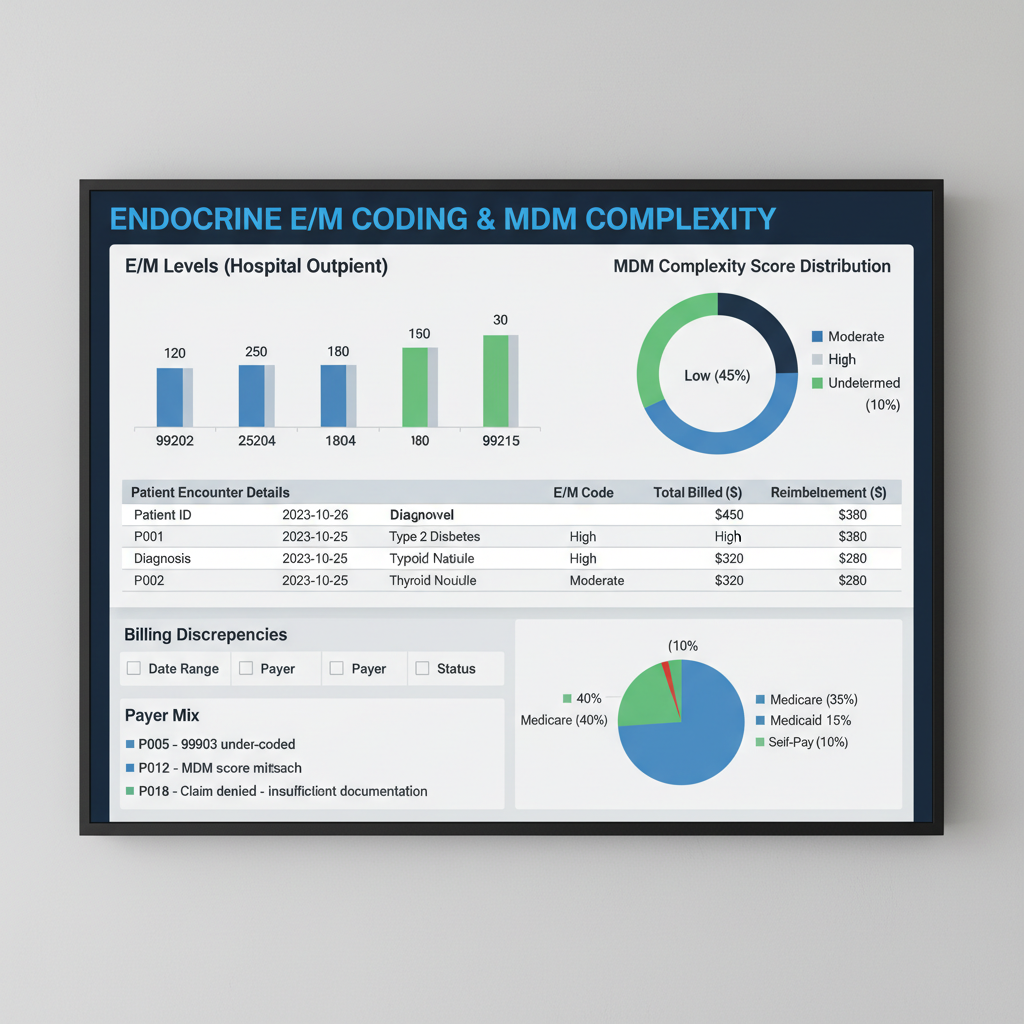
The most immediate financial impact of EHR automation comes from the revenue cycle. Automated insurance verification reduces claim denials. Automated billing workflows improve clean claim rates. Faster claim submission accelerates reimbursement. Each of these improvements translates directly to dollars recovered that would otherwise be lost to denials, write-offs, and delayed payments.
Operational Cost Savings: Time Is Money
The 3.2 staff hours recovered per day through EHR automation represent real labor cost savings. For a practice with three front-desk staff earning $20/hour, that's nearly $50,000 in annual labor cost that can be redirected to higher-value activities — or simply not replaced when turnover occurs. Automation also reduces overtime, which is disproportionately expensive in healthcare settings.
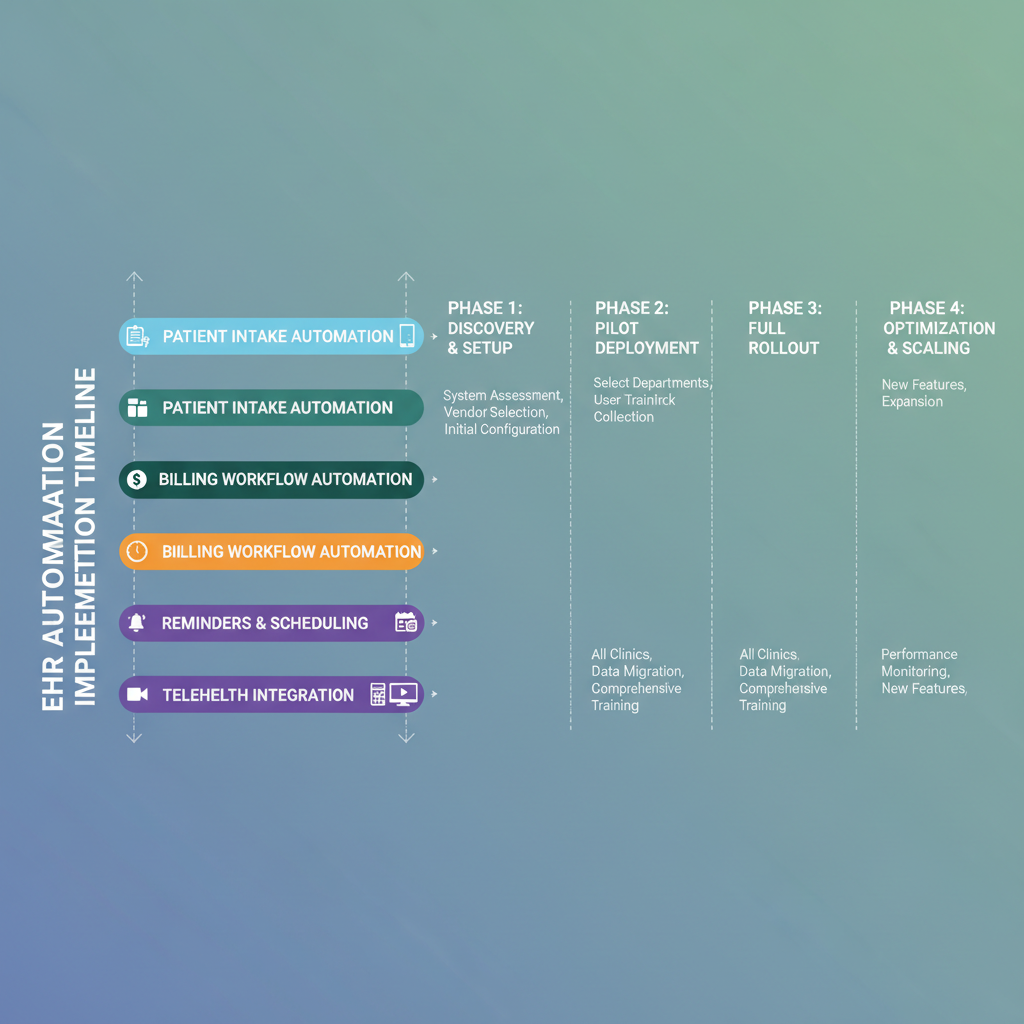
- Patient intake automation: 45 minutes per day saved on data entry per front-desk staff member
- Insurance verification automation: 60 minutes per day saved on phone-based eligibility checks
- Appointment reminder automation: 30 minutes per day saved on manual reminder calls
- Billing workflow automation: 45 minutes per day saved on claim preparation and submission
- Emergency coordination automation: 20 minutes per incident saved on manual data handoffs
Staff Satisfaction and Retention: The Hidden ROI
Healthcare staff turnover costs $10,000–$30,000 per employee when you account for recruiting, onboarding, and productivity loss during the transition. EHR automation reduces the repetitive, frustrating tasks that drive burnout — manual data entry, phone-based insurance verification, and manual reminder calls. Practices that automate these workflows consistently report higher staff satisfaction scores and lower turnover rates.
Healthcare practices that automate their core EHR workflows report that staff spend 60% less time on administrative tasks and 40% more time on patient-facing activities — a shift that improves both staff satisfaction and patient experience simultaneously.
Patient Experience ROI: Retention and Referrals
EHR automation improves the patient experience at every touchpoint — faster check-in, fewer billing surprises, reliable appointment reminders, and seamless telehealth access. Patients who have a consistently positive experience are more likely to return for follow-up care and refer family and friends. In a practice where a retained patient is worth $500–$2,000 in annual revenue, even small improvements in retention rates generate significant financial returns.
Building the ROI Case for Your Practice
NYC Healthcare Marketing provides every prospective client with a customized ROI analysis before deployment — calculating the specific financial impact of automation based on your practice's patient volume, current denial rates, staff costs, and billing performance. This analysis gives you a clear picture of the expected return before you commit to the investment.
Frequently Asked Questions
How do I calculate the ROI of EHR automation for my specific practice?
What is the upfront cost of EHR automation, and how does it compare to the return?
Does EHR automation deliver ROI for small practices as well as large ones?
Ready to Implement These Strategies?
Our healthcare marketing specialists handle everything — from technical SEO to content creation to review management. No long-term contracts.
Get a Free Consultation